Turn an AI design into a real website
Made a design with ChatGPT, Gemini, or Midjourney? We rebuild it as a fast, real website with semantic HTML, selectable text, and working interactions. Pixel-accurate where it counts.
4.9/5 on Google26 reviewsMade a design with ChatGPT, Gemini, or Midjourney? We rebuild it as a fast, real website with semantic HTML, selectable text, and working interactions. Pixel-accurate where it counts.
4.9/5 on Google26 reviewsThe design stays recognizable, but the flaws of a generated image do not become part of the build. We preserve the composition, color and typography while fixing blurred icons, unreadable text, impossible interactions and layouts that only work at one screenshot size.
These services complement this one and help you choose the right approach for your project.
Refine the visual direction around your brand and your users' needs.
Translate the composition into a clear experience across screen sizes.
Add real forms, animations and integrations to the design.
Keep the finished site secure, current and easy to improve.
Keep improving your search visibility after launch.
A generated image shows a direction. A real website also needs content, behavior, accessibility and clear technical rules.
Grid, proportions, color, typography, and atmosphere stay as close to the design as possible, without hiding text inside an image.
Headings, paragraphs, buttons, forms and navigation become selectable, accessible HTML with the correct meaning.
The desktop composition gains rules for mobile and intermediate widths. Components remain editable without redrawing the whole design.
If you want AI to build your website, AI website builders such as Squarespace generate a site from a short description of your business. Figma Make turns a prompt into a working prototype backed by real code. Both are a fast way to a first version. If you need accessible HTML, working forms, your own hosting and code you can maintain, we rebuild the design instead.
| Route | First version | HTML and accessibility | Hosting and upkeep |
|---|---|---|---|
| AI website builder (such as Squarespace) | Generated from a short description of your business | Markup comes from the builder's templates; accessibility depends on the template and your edits | Runs on the builder's platform; you make changes in its editor |
| AI prototyping tool (such as Figma Make) | Layout, interactions and code from a prompt | Real code that, according to Figma, a developer still optimizes like any other site | Publish from Figma or push to your own repository; someone has to maintain the code |
| Rebuilt by us | Takes longer: we review the design first and build in several passes | Semantic, accessible HTML, tested with your real copy | Hosting you control, with components you or we can update |
We review your design, work out missing screens, and build a real website. You set the direction; we handle usability, code, and content management.
An AI design gives us a visual starting point, not a finished website. We review which parts work and where the image leaves decisions open. That might be a menu with no destinations, unreadable text, or a card with no explanation of what happens when someone selects it. You get specific proposals for filling those gaps. AI supports exploration; we review and build what eventually goes online.
Weighing an AI website builder or a tool like Figma Make against a rebuild? The comparison above shows when a builder is enough.
We preserve the composition and atmosphere where they help your visitors, but contrast, readability, and usable controls matter more than a pixel-perfect match. If the brand direction is still uncertain, we refine the web design first.
Send the design at the highest available resolution, together with the logo, colors, fonts, and final copy if those already exist. Also tell us which parts need to be interactive and which screen sizes are missing from the concept. A link to your current site helps us identify pages and features to retain.
We start with a feasibility review. We redraw unclear icons as sharp SVGs. We only replace recognizable brand assets or images of people after discussing them with you. We then build the page in several passes, comparing it with the design on desktop and mobile. Before starting, we agree on which files you provide and which elements we recreate, so missing material does not hold up the build.
We turn the design into components that respond to screen width and content. A row of cards might become a readable column on mobile; a long menu gets controls that work with a keyboard too. We test with your actual copy, so a longer title or extra paragraph does not unexpectedly break the layout.
Buttons get destinations, forms show errors and confirmations, and text stays selectable HTML with a clear semantic structure. That structure is what screen readers and keyboard users rely on; the W3C explains why in its introduction to web accessibility. The page also needs to work at widths between desktop and mobile. Responsive web design is about behavior, not just shrinking an image. We share a working preview where you can try the main visitor journey before we finish the remaining pages.
A form in an AI design says nothing about where an inquiry ends up. We define which details you need, who receives the message, and what confirmation the visitor sees. We leave out unnecessary fields, write clear labels and error messages, and make sure an error does not simply erase what someone entered.
Behind the form, we set up processing and spam protection. We validate submissions on the receiving end too; browser checks alone are not enough. We test a complete submission through to the agreed inbox or connected system, including a failed delivery. If inquiries need to reach your own software, we define that web development scope before the build.
You do not need to generate another image to replace a sentence or photo later. We build reusable components and agree on which content you want to manage yourself. An editorial team may need a visual editor; a technical team may prefer structured files without a CMS. In either case, the design stays separate from the copy.
We practice a real update, such as adding a service or replacing a project image. You see which choices are open and which settings protect the layout. New behavior, such as a booking feature, still needs development. We explain that boundary before the build, so you know what you can publish yourself and when to involve us.
Want to rewrite the copy on your existing website with AI? Our article on writing website copy with AI shows how to do that without it sounding generic.
Before launch, we check the finished website for content errors, broken links, form problems, and mobile usability. We also review loading speed with the final images and fonts. A lightweight test page tells you little if the finished homepage uses large images or extra scripts. You review the version visitors will actually use. We measure our own case sites the same way: they scored a median 98/100 on mobile PageSpeed in October 2026.
We coordinate the domain, hosting, and any redirects around your existing setup. After launch, you can involve us for website maintenance or design extensions. We agree on who handles technical updates and incidents. Keep the original design files and approved brand assets as well; they remain useful when you want to add new pages later.
After launch, the visibility work only starts. Our SEO AI agent can take over the recurring work: finding opportunities and shipping improvements, with your review afterward. Search visibility and speed are measured monthly. If you built the site yourself in Lovable, first read what is often still missing for Lovable SEO.
Digital experiences that feel like the company behind them.
A rental store with +217% daily Google clicks from launch to June 2026
Our own site as a running case: measured monthly, reported honestly

A premium site for practical AI agents under human control

Guitar lessons in Antwerp: page one for teacher Ben Boeckx
A boxing site with punch for personal trainer Brian, on a small budget

Beautiful and easy to find on a budget: Astro and custom bookings
A cinematic site for professional content creation and video production
A light portfolio site where prospects find the right video type
A sharp SaaS site that explains social recruitment and leads to a demo
A clear site for heat pumps and air conditioning, DIY to installation
One clear digital story for facility and industrial services

A warm school website for dual education, managed in Storyblok
A rotating selection of the reviews clients left on Google — Dutch reviews shown in English translation. An average of 4.9 out of 5 stars across 26 Google reviews (September 18, 2026).
Two years ago I started looking for someone who could help me with a website that scored well. In terms of approach, Seppe immediately made a good impression on me; he is patient (which I definitely need), professional, and transparent. You can always reach out to him with questions and he charges fair prices. Shortly after we first got in touch he launched a new website that I am very happy with, and he manages the SEO and SEA features to the best of his ability. As a proud ambassador of Straffe Sites, I look to the future with confidence!
Fast & perfect service.
A pleasant collaboration for 15 years now, with knowledge and skill at the center.
Clear and personal: you always know what is happening, what we need from you, and what the next step is.
We discuss your business, your customers, the bottleneck, and what the website or workflow needs to achieve.
You get a clear structure and visual direction, with choices we explain in plain language.
We do the build, share work in progress, and check the content, speed, technical quality, and mobile usability.
After launch we stay available for maintenance, performance tracking, and targeted improvements.
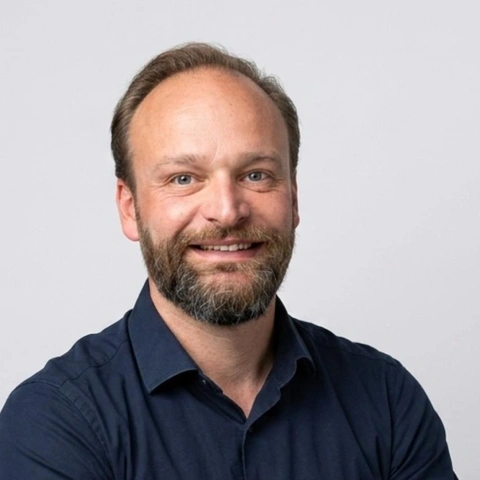
At Straffe Sites you work directly with the team. Seppe stays your dedicated point of contact and builds your website; the team supports him with commerce, code, and photography where needed. Communication stays direct, and your questions never get lost between account managers.
Straightforward answers before you decide whether this service fits your business.
Usually, we can recreate the visual direction. Some details may be technically impossible, unreadable or inconsistent across screen sizes, so we identify those issues before the build and propose a faithful alternative.
Yes, for copy and suggestions. AI can propose new copy, metadata, or improvements, but the change itself happens in your CMS or code. We review every suggestion and check what goes live. Our SEO AI agent can take over recurring SEO work, with your review afterward.
Yes. Meaningful text is never baked into one large raster image. A heading, a menu or your contact details stay real HTML. Screen readers can read them, search engines can index them and you can change them later.
Yes. We redraw simple icons and shapes as sharp SVGs, so they stay crisp on every screen. For your logo, please send the official brand file instead of a crop from the design. We only replace recognizable brand assets after discussing them with you.
Yes. If the concept only shows a desktop screen, we translate the composition into a mobile-first layout and explain important decisions before finalizing them.
Yes. Copy, images and repeatable sections can live in a CMS or a local content structure, depending on the workflow that suits you.
Technical terms from this page, explained briefly and linked to the full knowledge base.
using HTML elements according to their meaning, so browsers, search engines and assistive technologies can understand the structure.
a coherent collection of design rules, components and patterns that keeps a website consistent and maintainable.
the extent to which everyone, including people who use assistive technologies, can use a website.
a design approach in which the layout adapts fluidly to a device’s screen size and capabilities.
Send us the design and the features you need. We’ll explain what can be built directly, what needs refinement and how the mobile version should work.
Discuss your project
Hi, I am Hermes, the AI agent of Straffe Sites. I answer your questions about websites, online stores, SEO and how we work, and pass your request on to Seppe when you ask me to.