Website development that convinces

Website development for self-employed professionals and small businesses: fast, custom-built websites — design, copy, and code by one web developer, with a mobile PageSpeed median of 98/100.

4.9/5 on Google26 reviews

No standard template. A website that fits your business.

Your website gets only the pages, features, and technology you actually need. That keeps it fast, clear, and easy to extend later.

What your website gets from the start

No separate design and technical phase, but one whole that helps visitors choose and saves you work.

A clear structure

We determine which questions your customers have, which pages belong to them, and which action each page should support.

A design with its own face

No generic template. Typography, color, imagery, and rhythm match your brand and stay usable on every screen.

A fast technical foundation

Clean HTML, optimized images, technical SEO, and measurable performance are part of the build, not a later repair.

Your website from first decisions to everyday use

We define the scope, build around your customers, and show you how to manage the site. We also agree on the transition and follow-up before launch.

What does a website cost?

An honest answer first: there is no fixed price, because no two websites are the same. Hard numbers do exist in the market: Belgian freelancers average €84 per hour (UNIZO, 2025), a Dutch front-end developer invoices €75 excluding VAT (Knab, 2024), and 63% of global agencies quote $1,000 to $15,000 per project (GoodFirms, 2026). What you pay is determined by the number of pages, the amount of custom work in design and code, who provides texts and images, any integrations with your own software, and how you want to maintain the site after launch.

Want the full price breakdown with sources? In what it costs to build a website you can read what templates, DIY builders, AI tools, and custom work cost on the market in 2026, including official rate ladders and a price index.

We work without packages or starting prices. After a short conversation you get a tailored proposal with a clear scope: what is included, what is not, and why. That lets you compare our proposal honestly with any other quote.


When is a custom website the right step?

A custom website makes sense when your current site no longer explains why customers choose you, when mobile use feels clunky, or when every small change takes a detour. A new self-employed professional can start with one too, as long as the website has a clear business task.

Your offer needs more explanation than one standard page. You want to support inquiries, appointments, or sales more directly. Your brand deserves to be more recognizable than a template. You want to add pages, languages, or integrations later.

If a simple website builder is enough for your situation, we will say so. The right solution is not always the biggest one.

From a customer question to a working page

We start with what visitors need to understand and do: compare a service, request an appointment, or get in touch. That determines the page structure. You provide knowledge of your business and examples of customer questions; we turn those into a design and copy that support the decision. We identify missing content before it delays the schedule.

Next, we build a working preview with real content. You review the most important pages first and consolidate feedback, so design decisions do not keep restarting. We test mobile usability and the inquiry process along the way. When commissioning a professional website, this coordination matters at least as much as the technology behind it.

Keep your website up to date yourself

Before the build, we agree on what you want to edit yourself and how often. Replacing a photo is a different task from assembling complete pages. We set up the editor around those recurring tasks, with recognizable fields and fixed components. You do not have to manage spacing, colors, or technical settings as you work.

At handoff, we practice on your website. You edit copy, replace an image, and check the result before publishing. We also explain when a change needs development, such as a new integration or page type. You can handle routine content tasks yourself, with a clear understanding of when our team needs to get involved.

Your domain, code, and accounts

Your domain name and important website accounts should stay under your control. Before the build, we agree on who holds the domain, where the source code lives, and who can access hosting and forms. We use separate accounts wherever possible, so access can later be revoked without replacing shared passwords.

At handoff, we document which files you receive and how to export your copy and images. We also distinguish work we create for you from components with their own licenses, such as a font or an external service. Those agreements prevent confusion if you later change providers. We review access together, so managing the website does not remain dependent on a single personal account.

A controlled launch and continued support

Before your website goes online, we walk through the main visitor journeys. We check that form submissions arrive, links reach the correct pages, and copy stays readable on mobile. When replacing an existing site, we review which addresses to retain and where redirects are needed. We also coordinate the domain and hosting with whoever manages access.

After launch, we agree on who handles updates, checks, and extensions. Website maintenance can cover technical follow-up; new content or additional features get a separate scope. If you need a website with hosting, we clarify those responsibilities too. Handoff involves more than confirming that the homepage is online.

Work with real personality

Digital experiences that feel like the company behind them.

How we work together

Clear and personal: you always know what is happening, what I need from you and what the next step is.

  1. Initial conversation

    We discuss your business, your customers, the bottleneck and what the website or workflow needs to achieve.

  2. Choosing a direction

    You get a clear structure and visual direction, with choices I explain in plain language.

  3. Building and testing

    I do the build, share work in progress and check the content, speed, technical quality and mobile usability.

  4. Launch and follow-up

    After launch I stay available for maintenance, performance tracking, and targeted improvements.

No agency, but a senior team

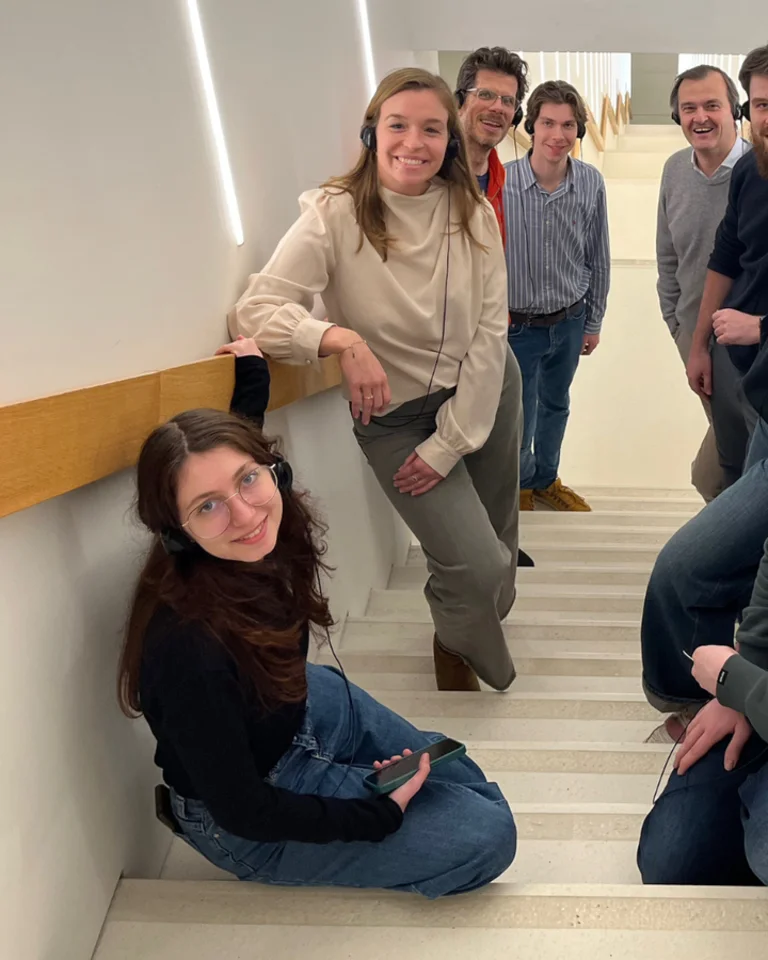
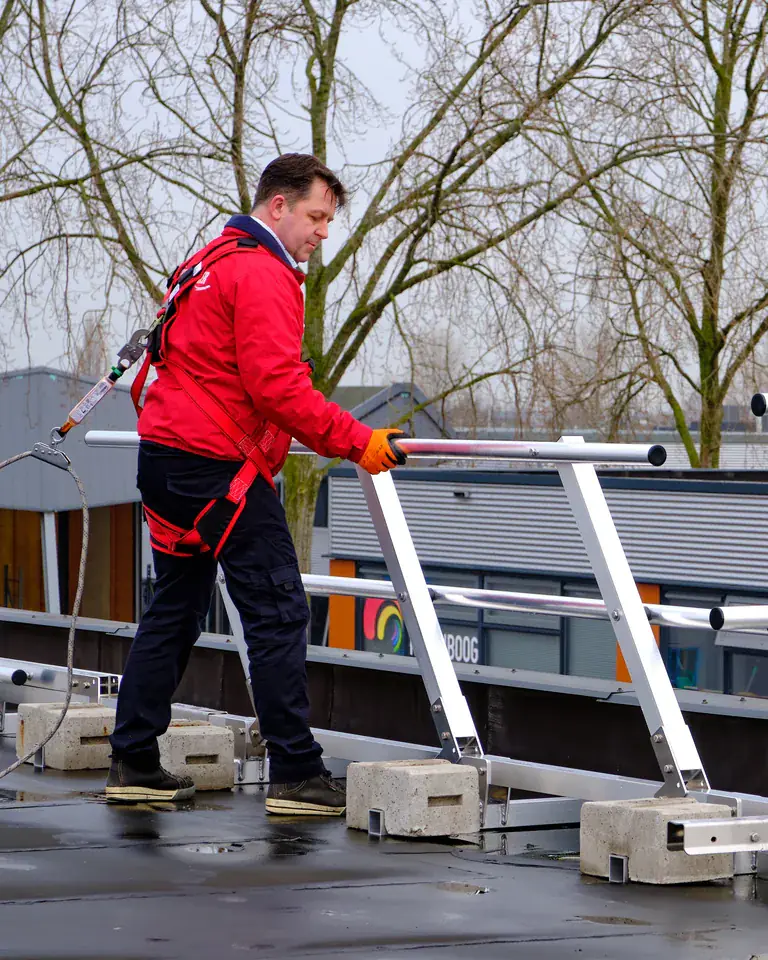
Seppe, freelance web developer and founder of Straffe Sites

At Straffe Sites you work directly with the team. Seppe stays your dedicated point of contact and builds your website; the team supports him with commerce, code and photography where needed. Communication stays direct, and your questions never get lost between account managers.

  • 25+ years of experience
  • 1 point of contact
  • Honest advice without a sales pitch
  • Worldwide clients, delivered remotely

Frequently asked questions

Straightforward answers before you decide whether this service fits your business.

What does a custom website cost?

There is no fixed market price, but hard numbers exist: Belgian freelancers average €84 per hour (UNIZO, 2025), a Dutch front-end developer invoices €75 excluding VAT (Knab, 2024), and 63% of global agencies quote $1,000 to $15,000 per project (GoodFirms, 2026). What your project costs depends on pages, design, content, and integrations. After a short conversation you get a tailored proposal with a clear scope, without hidden packages.

How long does a website project take?

A compact website can be ready in a few weeks. More content, custom features, or integrations take longer. Before we start, you get a realistic schedule and clear feedback moments.

Can I update my website myself?

Yes. We agree in advance which content you manage yourself. You get a straightforward editor with fixed blocks, so you can adjust texts and images without breaking the design.

Do I have to provide all texts and photos myself?

Your own knowledge and images are the best starting point. We help with structure and web copy and tell you beforehand which visual material is needed. Existing content can be reworked.

Do you build for clients outside Belgium and the Netherlands?

Yes. We work remotely and communicate in clear, plain English. Copy and examples stay close to how your customers actually talk about your product or service.

What happens after launch?

We stay available for hosting, maintenance, measurements, and new pages. You choose how much follow-up you need.

Terms

Technical terms from this page, explained briefly and linked to the full knowledge base.

Ready for a website that works?

Tell us what your customers need to find or do. You’ll get direct advice and a clear proposal from the builder.

Discuss your project